PHOTOVOLTAIC SOLAR INSTALLATION FOR MOTORHOMES
Total electrical autonomy for caravans and motorhomes, campers and other industrial or recreational vehicles.
More and more recreational vehicles are appearing in Spain… yes, we’re talking about caravans and motorhomes in all their varieties, makes, and models. These vehicles have grown in features, evolving from the wooden caravan that the pioneer Arist Dethleffs built at the beginning of the last century, to the current models with autonomous navigation systems, automatic transmissions, full climate control, beds, showers, kitchens, toilets… in short, a fully-fledged house on wheels, with almost all the comforts we have in our own homes… except for the space.
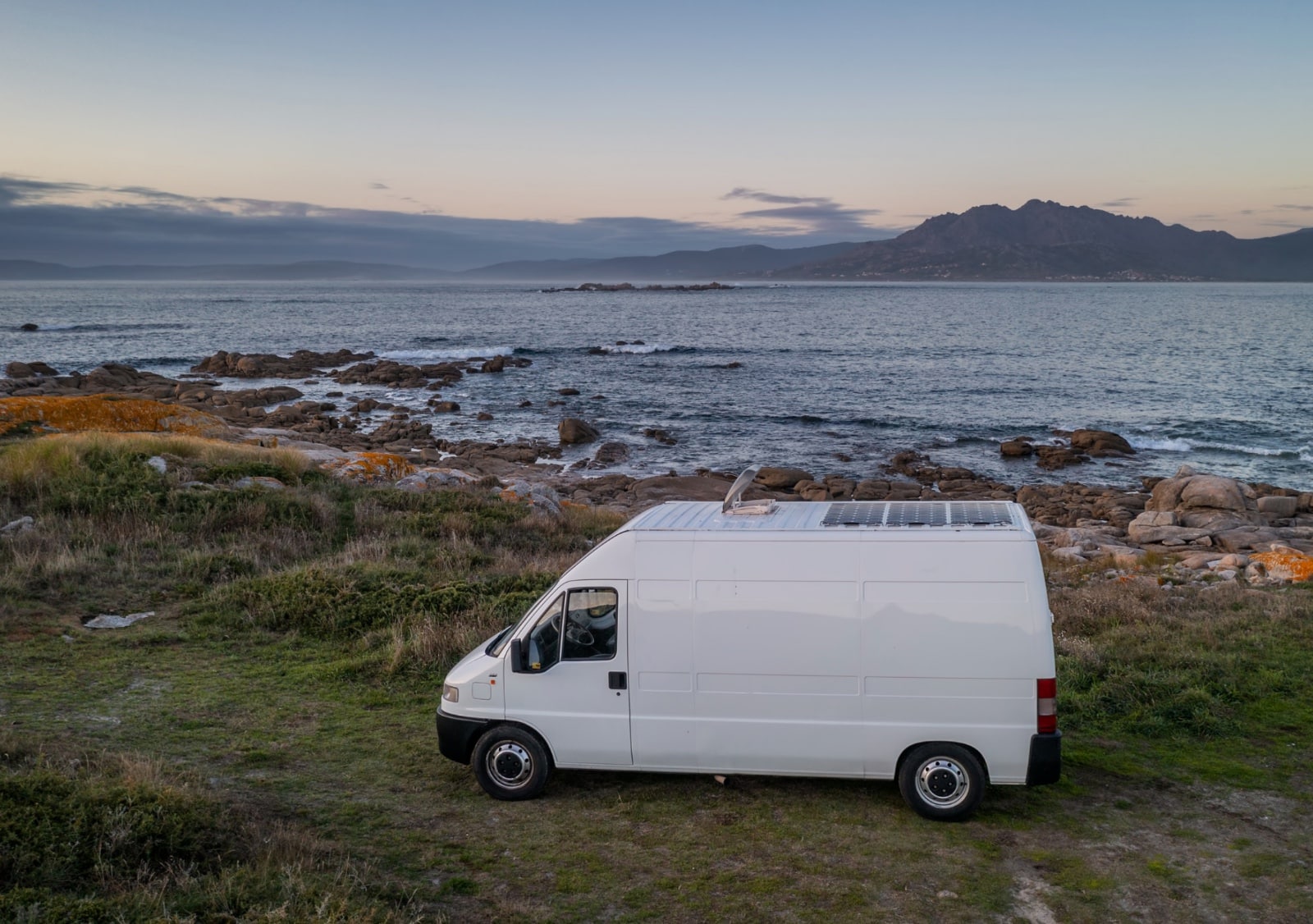
One of the things we motorhome enthusiasts appreciate most is the freedom of life and the outdoors, free from rigid schedules, pre-designed routes, and the stress and crowds of the city. For this, energy independence is essential, and at Soma-Genpower Electricity, taking advantage of our partnership with Prat Caravaning, we’ve designed systems to achieve maximum electrical autonomy. This allows us to go wherever and whenever we want, without being tethered to a power outlet. Therefore, we design and custom-build any type of solar installation for caravans, motorhomes, and commercial vehicles that want or need maximum autonomy.
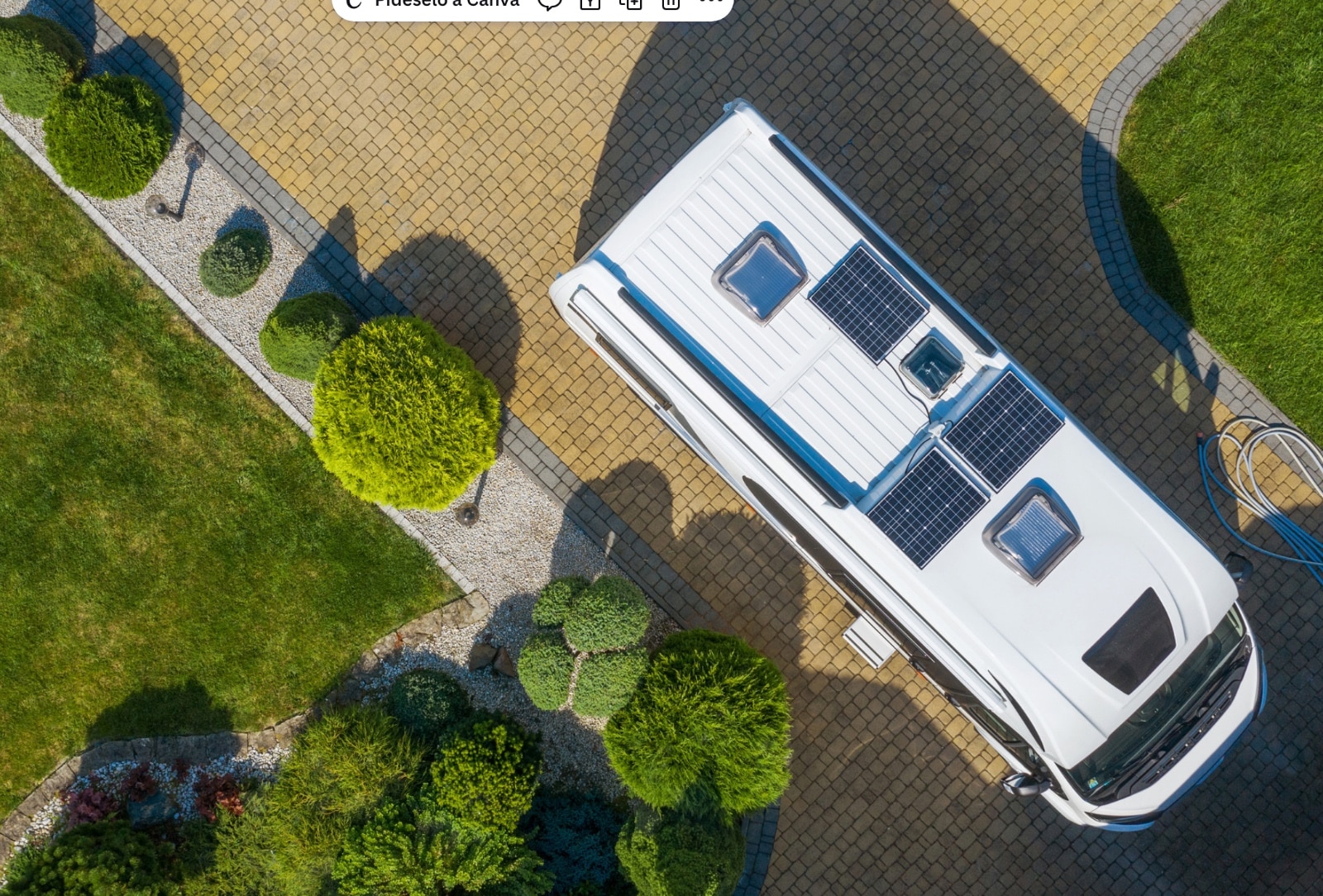
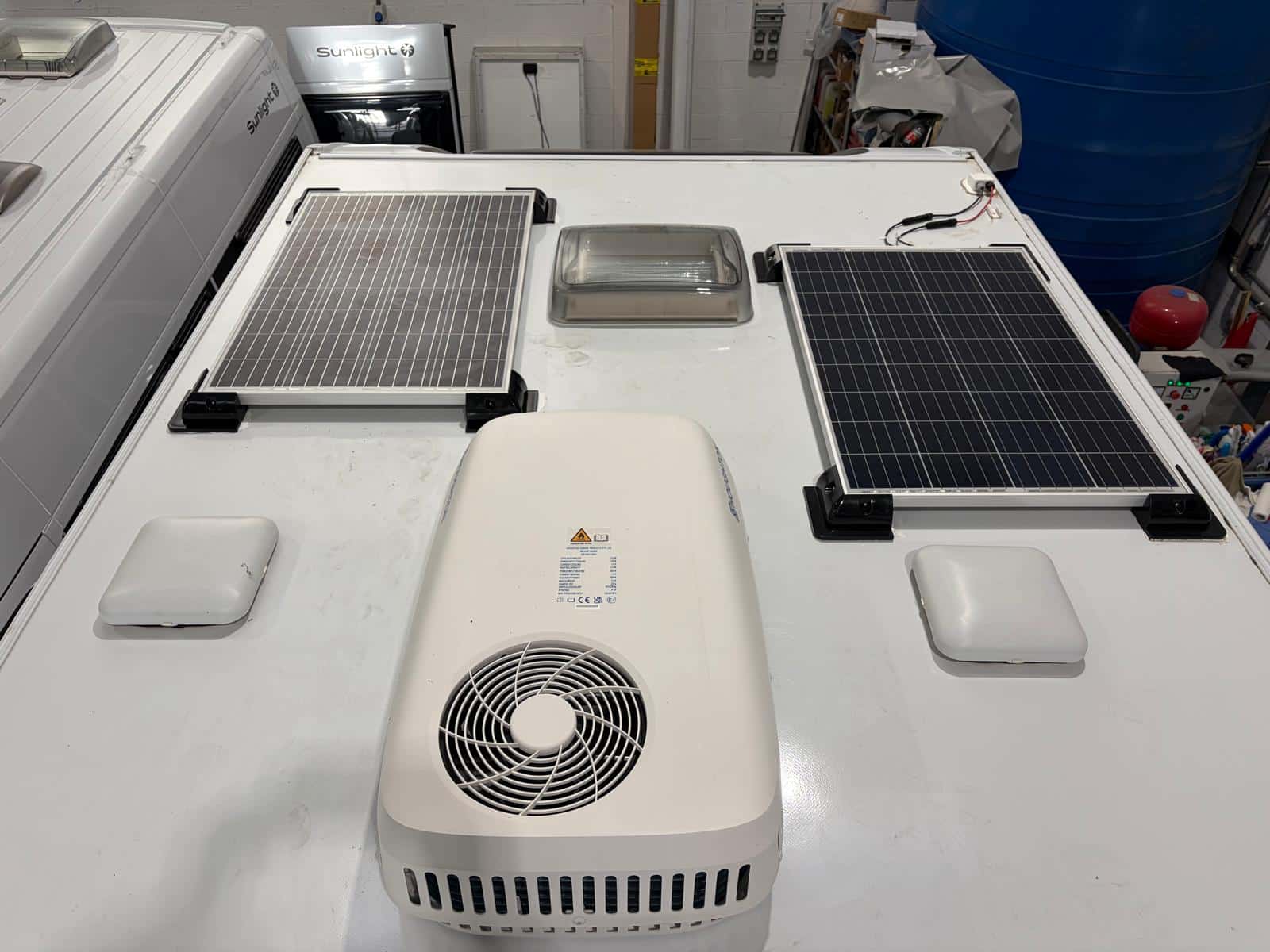
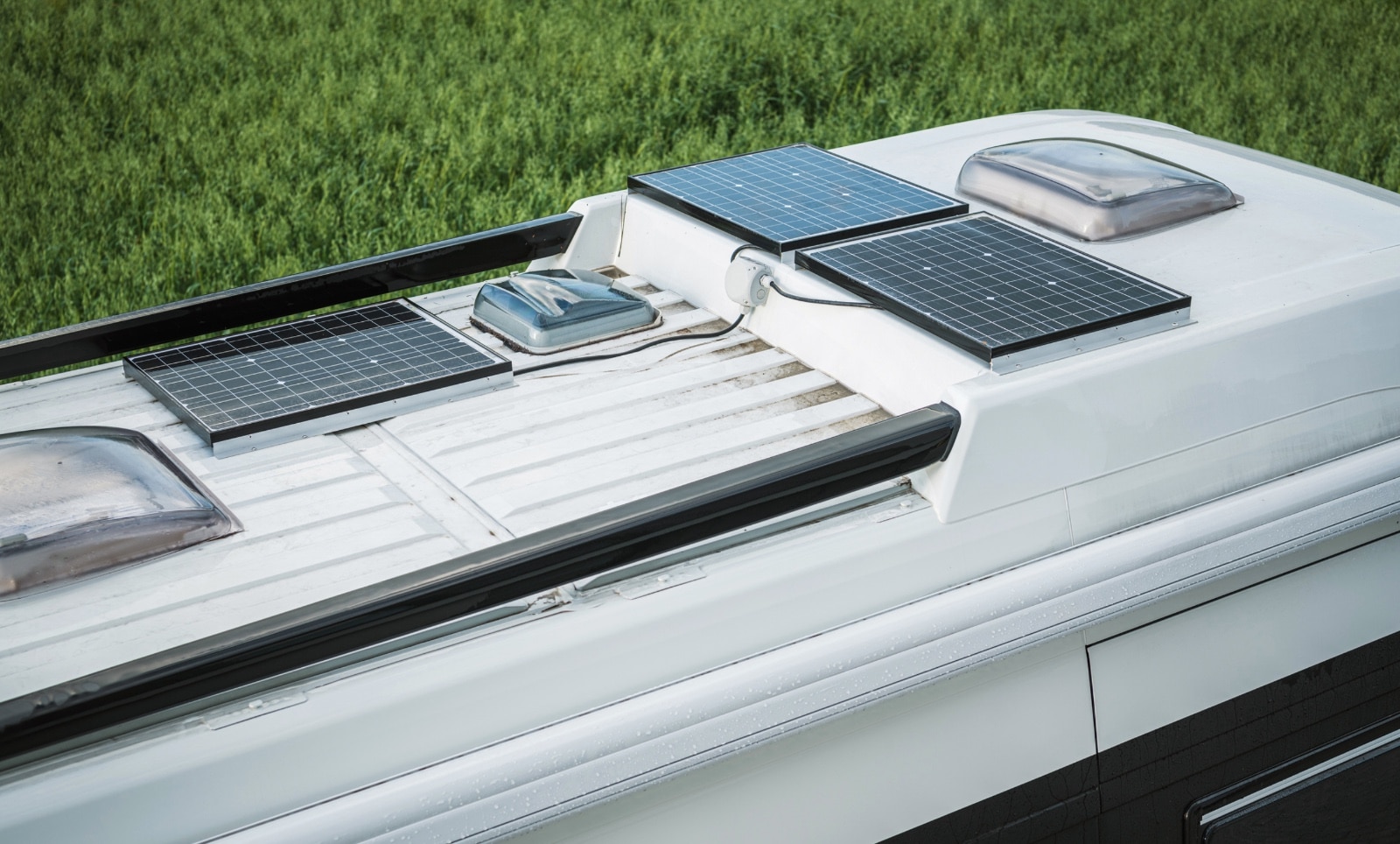
It’s often thought that because there isn’t enough space on the roof of a caravan or motorhome due to the limited surface area and the skylights, antennas, air conditioners, etc., that come with them, it’s not worth installing anything; this isn’t true. While the limited space available is usually quite small, installing one or two 150 or 200 Wp panels will effectively help maintain battery level, thus significantly increasing autonomy. Keep in mind that a motorhome is rarely stationary in one place for long; typically, it’s moved daily or every two or three days after visiting a destination. When we’re on the move, the leisure battery charges, just like the vehicle’s starter battery, using the engine’s dynamo. That’s why every time we travel, we charge the battery or batteries very efficiently. So, if we have a battery of at least 90 or 100 Ah 12V, we can spend several nights without needing any external power, except for solar energy. However, make sure to park the motorhome in a spot where the solar panel gets direct sunlight; otherwise, everything we’ve discussed is pointless. Some users, to maximize solar efficiency and charge the batteries properly without sacrificing shade, don’t mount the solar panels on the roof of the vehicle. Instead, they keep them in the trunk, using an aluminum structure to position them on the ground at a 30 or 35º south angle when they’re parked. This has its advantages and disadvantages; the main advantage is that you can park the vehicle in the best shade you can find without losing maximum solar charging capacity. The problem is that you can’t just leave the structure on the ground and go for a walk… it’s possible that when you return you won’t find the aforementioned invention where you left it… something that is infinitely less likely to happen on the ceiling.
Installation elements:
-
Solar panel or panels.
-
Wiring and electrical protection systems.
-
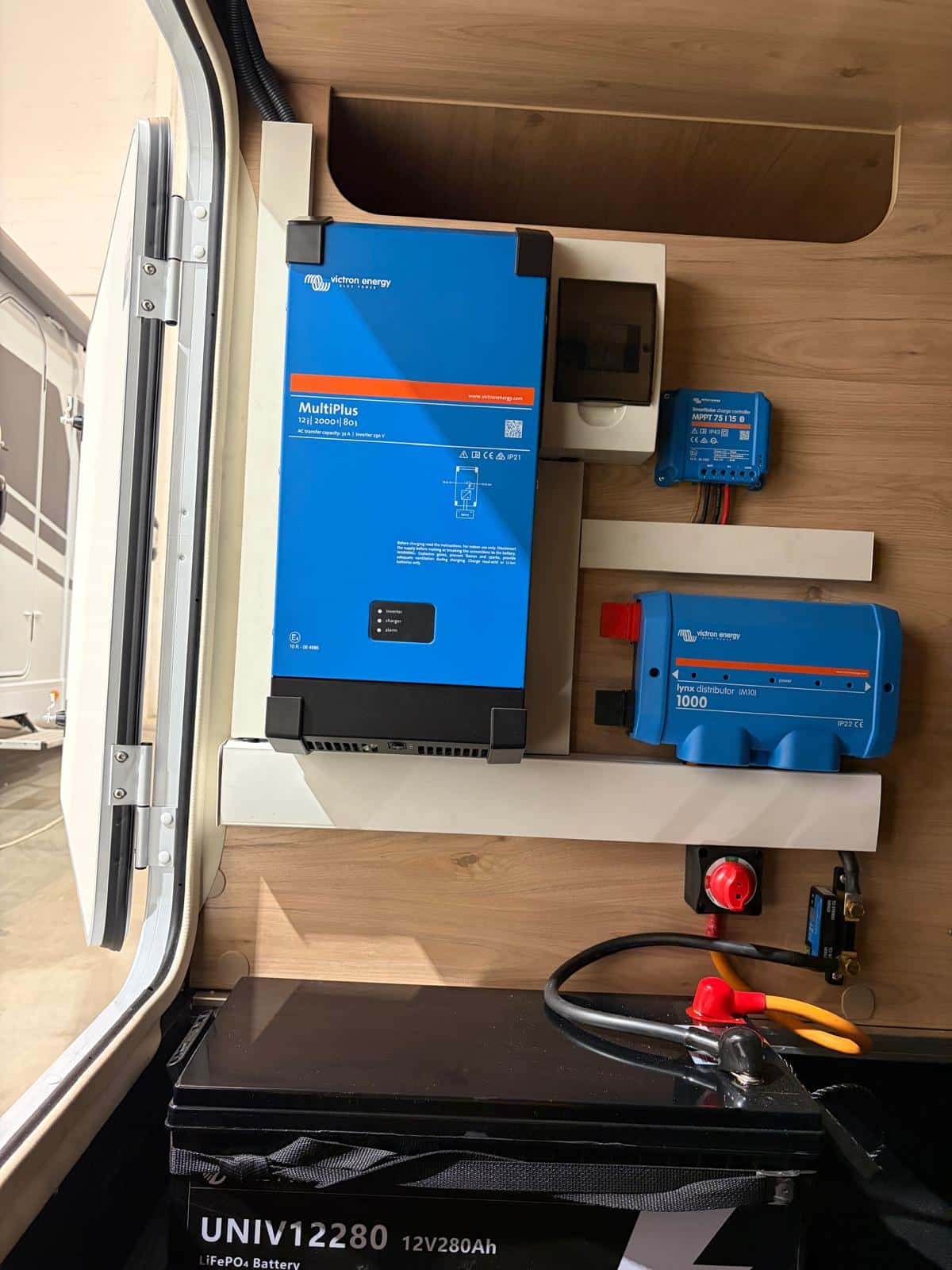
Smart BlueTooth connected MPPT regulator.
-
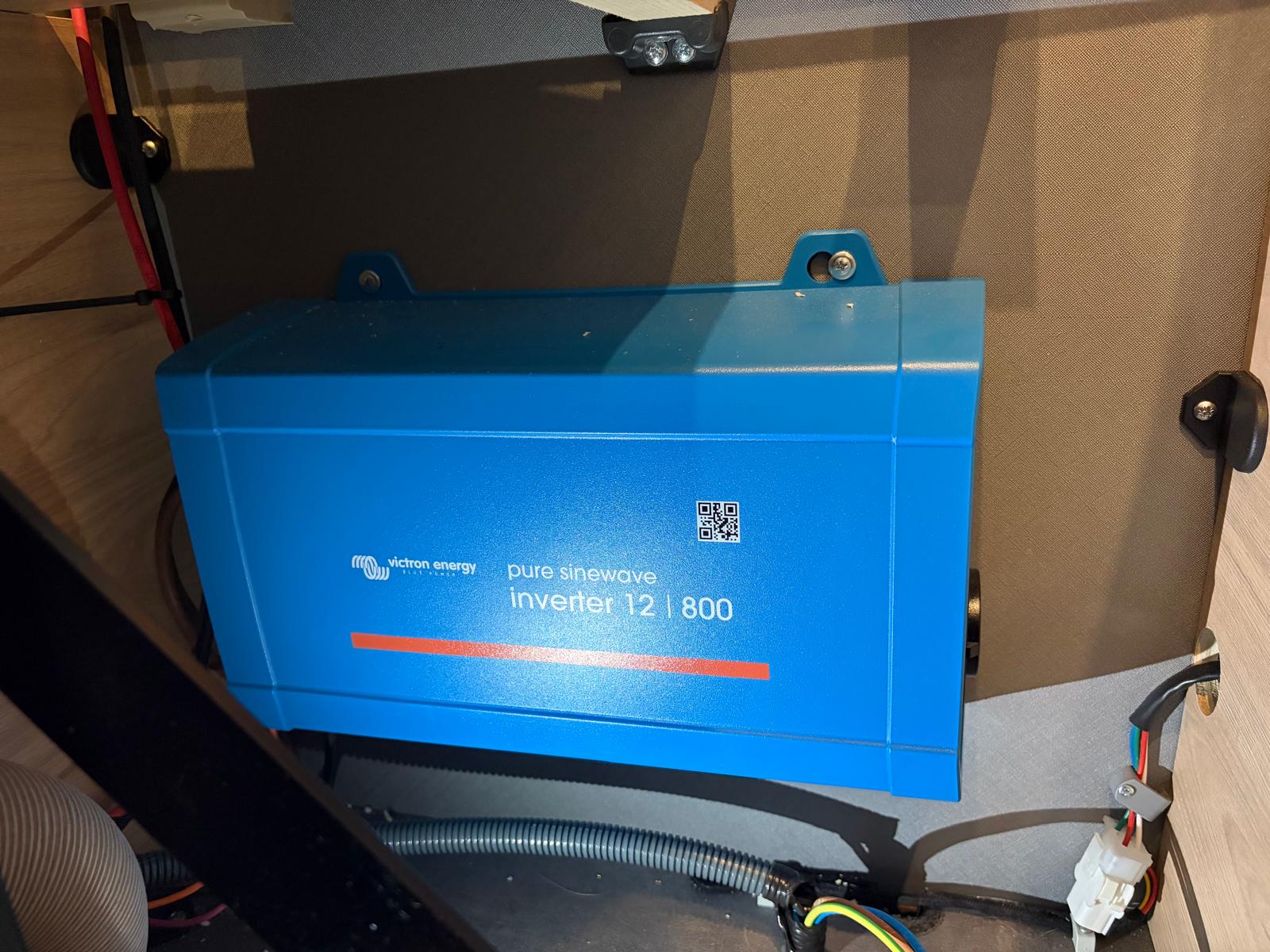
Inverter from: 500VA to 3,000VA.
-
Lithium or AGM battery of the required capacity.